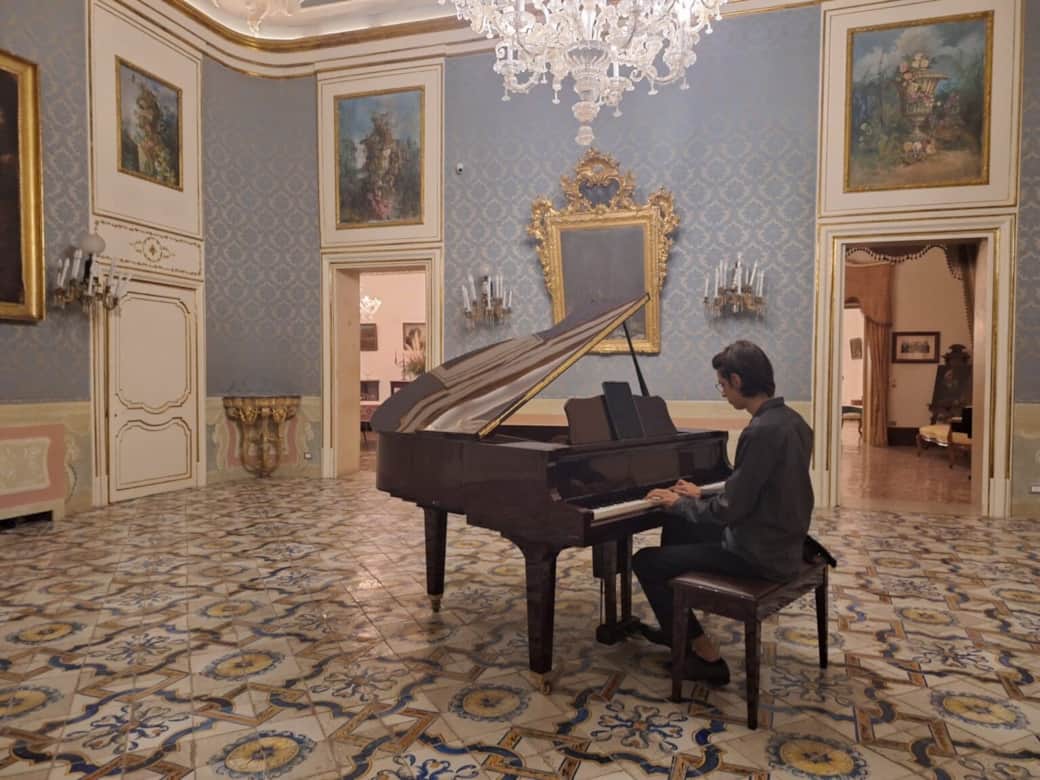
History Palazzo al Molo
The history of Palazzo De Gregorio al Molo is deeply intertwined with that of the port of Palermo, whose development began in 1567 with the construction of the Molo Nuovo. This strategic context made the area particularly sought-after, and in 1748 the complex was purchased by Ferdinando Maria Tomasi di Lampedusa, a member of the illustrious family made famous by the novel The Leopard. The property remained in the hands of the Tomasi for about seventy years, during which the original buildings were reunified and transformed into a sumptuous noble residence, a symbol of power, prestige and architectural beauty. A metamorphosis that marks the beginning of his aristocratic history.
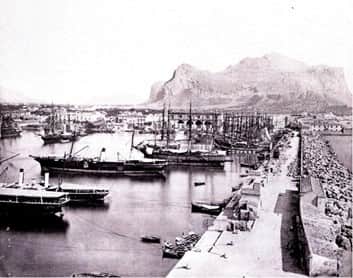
In 1792, at the end of the 18th century, the De Gregorio family, until then residing in a villa in the Petrazzi district, surrounded by lush historic gardens, decided to acquire a new and prestigious residence: the current Palazzo De Gregorio.
The location of the building was — and remains to this day — extraordinary. On one side it overlooks the gulf of Palermo, then the beating heart of commercial and port activities, while on the other it extended towards large cultivated gardens, which reached the slopes of Monte Pellegrino. Sugar cane, sumac and fragrant citrus fruits grew in these lush lands, symbols of the agricultural and landscape richness of the area.
This choice marked the beginning of a new era for the family, which transformed the palace into a representative noble residence, capable of combining social prestige with the pleasure of natural beauty.
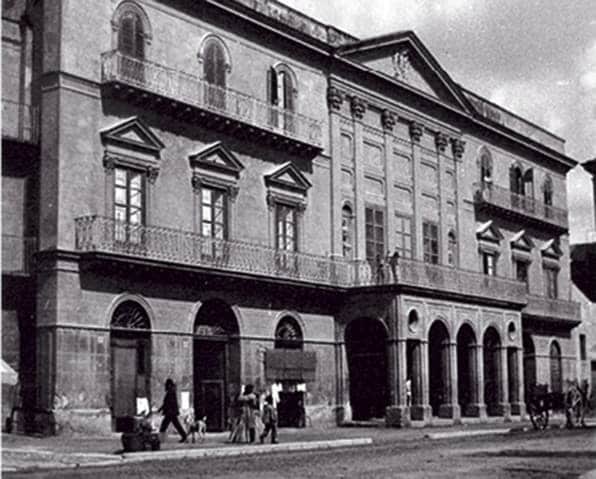
Over the course of its long history, Palazzo De Gregorio has gone through numerous phases of transformation. Among the most significant, the renovation of the main facade stands out, carried out in 1865 commissioned by the De Gregorio family. The work was entrusted to the Vicenza architect Caregaro Negrin, who conceived an elegant project in neoclassical style, which is now perfectly preserved. The entire complex revolves around a harmonious internal courtyard, embellished with a roccaille-style fountain, from which the noble halls and the main rooms of the palace unfold. A perfect balance between architectural rigor and decorative taste.
On the southern side of the main floor there is the magnificent Salone delle Feste, a scenographic space dominated by a frescoed ceiling and stucco decorations in relief, a symbol of the refinement of the time. Next door, there is the old private chapel, once used for religious services by the guests of the palace, today a silent testimony of a devout daily life. On the western side stands a nineteenth-century tower, built in 1868 by the Marquis Camillo De Gregorio: it was used to communicate, via flag signals, with a twin tower at Villa dei Petrazzi, reporting the sighting of game in the surrounding area. A small detail, which tells a vivid page of Sicilian aristocratic life.
The recent development of the shipyard near Palazzo De Gregorio represents a fascinating combination of historical memory and industrial innovation. This unique scenario allows visitors to enjoy a double-breath experience: on the one hand, the technological progress and dynamism of the port area; on the other, the timeless majesty of the palace, guardian of a noble past. A harmonious contrast that enriches every visit, transforming it into a complete journey between past and future.
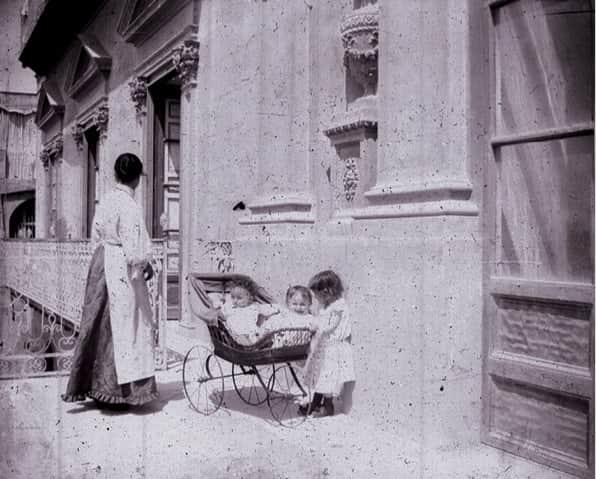
The Palace in time
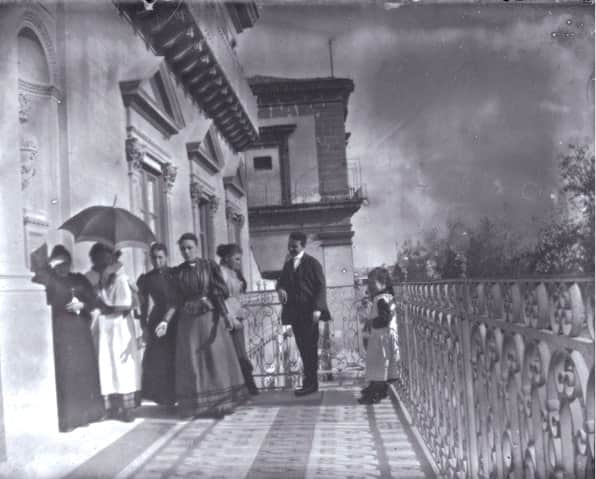
History and Culture
Meeting of Great Personalities
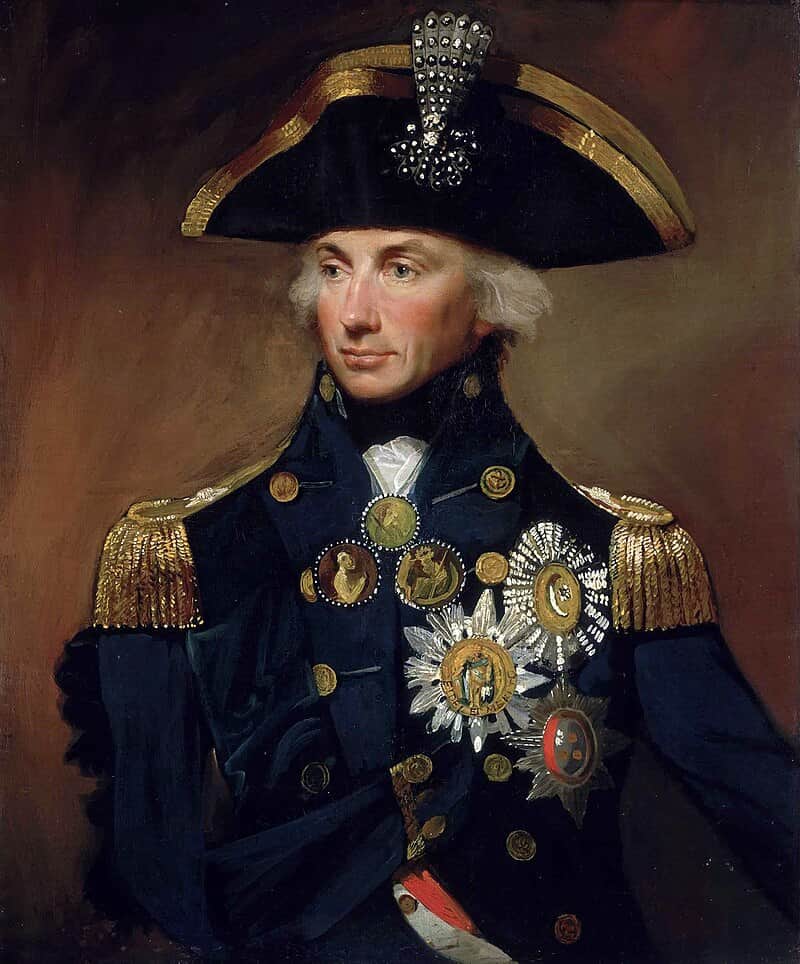
Over the centuries, Palazzo De Gregorio has established itself as a point of reference for intellectuals, artists and leading figures on the European scene. Its elegant halls have welcomed illustrious guests such as Lord Nelson and Lady Hamilton, symbols of the Napoleonic era, the Kapellmeister Benedetto Baldi and the great composer Richard Wagner.
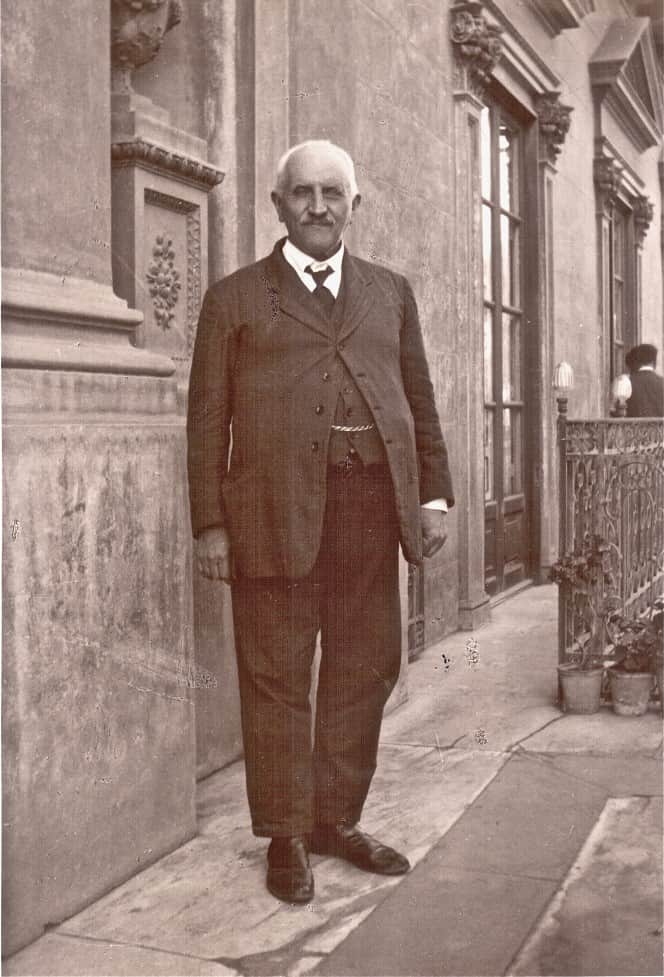
Wagner, during the composition of his famous opera Parsifal, was a regular visitor to the Palace's salons. Here he found inspiration, communicating with the Marquis Antonio De Gregorio Brunaccini (1855–1930) and the Vicenza scientist Paolo Lioy, in a climate of fervent cultural exchange.
The atmosphere of lively intellectuality that has always characterized the palace was further celebrated by the visit of the King of Sweden, deeply fascinated by the historical figure of Lord Nelson. The sovereign chose Palazzo De Gregorio precisely to immerse himself in the charm of a residence capable of evoking, with authenticity, the great protagonists of the past.
This continuous flow of thought, music and history has transformed the palace into a true custody of living memories: a place that preserves, passes down and celebrates its prestigious past, keeping the link with its noble heritage intact. Today, Palazzo De Gregorio is much more than a historic building: it is a cultural symbol of the city, a precious witness of an extraordinary era and its timeless beauty.
The noble roots of the De Gregorio family
The history of the De Gregorio family has its roots in the heart of medieval Europe, dating back to the year 912. It is in this period that Onofrio, lord of Bolzano and founder of the dynasty, fought valiantly alongside Arnulf of Bavaria in the war against Emperor Conrad I, contributing to a historic victory.Subsequently, Gregory of Bolzano, Baron of the German Empire and member of the noble dynasty of Saxony, left an indelible mark: in his will, he established that his surname be transformed into his baptismal name, thus giving rise to the name De Gregorio. His son, Giovanni De Gregorio, distinguished himself in turn by an important military victory against Rudolf, siding in favor of Emperor Henry IV — the same one who took part in the famous synod of Canossa.
As a sign of gratitude, Giovanni was granted the life government of the city of Cologne, where today he rests in the main church, in a tomb sumptuously decorated with the coat of arms of the De Gregorio family. A story of courage, loyalty and lineage, which spans the centuries and still echoes today in the rooms of the Palermo palace that bears their name.
The De Gregorio family arrived in Italy with the entourage of Frederick Barbarossa, settling in Sicily between 1152 and 1190. Since then, many family members have distinguished themselves in various areas such as politics, war and the arts. Some of the more notable members include:
- Andrea De Gregorio, who was state councilor of Charles VIII, King of France, participating in the conquest of the Kingdom of Naples in 1493.
- Pietro De Gregorio, who held the role of Vicar General of the Kingdom of Sicily and was ambassador to Emperor Charles V in 1521.
- Don Pietro Giovanni De Gregorio, General Treasurer of the Kingdom of Sicily in 1566.
- Don Pietro, president of the Court of Justice of Palermo, called to Madrid as Regent of the Supreme Council of Italy in 1650.
- Tommaso De Gregorio, who was Knight of Malta and Prior of Venice in 1618.
- Leopoldo De Gregorio, known as the Marquis of Squillaci, who served as Viceroy of the Two Sicilies and prime minister under King Charles III of Spain in 1753.
- The religious John and Emmanuel, also mentioned by Massimo d'Azeglio for being at the side of Pope Pius VII during his transportation in chains to France.
- Camillo De Gregorio, who, as Royal Secreto, together with the Viceroy Domenico Caracciolo, abolished the Inquisition in Sicily in 1792.
- Emanuele de Gregorio, cardinal who was considered for the papal throne in 1829 and 1830.
- Antonio De Gregorio, an illustrious geologist and paleontologist who wrote 630 works during his life up to 1930.
Tradition and lineage of the De Gregorio family
The De Gregorio family of Palermo preserves a long tradition of noble titles and customs handed down over the centuries. Starting from 1500, the eldest male of the house is traditionally called Antonio or Camillo, in homage to the ancestors who marked the history of the family.
Today, what keeps this legacy alive is Antonio De Gregorio, current Prince of San Teodoro, Marquis of the Royal Park, Lord of the Land of San Teodoro and Baron of San Basilio. He is the current owner and resident of the majestic Palazzo De Gregorio, a symbol of the historical continuity and noble identity of the house.
This profound connection between titles, history and home represents a distinctive element of the palace, which is not only a physical place, but also a living witness to a timeless family tradition.
You can find the entire history of the De Gregorio family here.